
Dental veneers in Barcelona
A real change that looks natural
A veneer doesn't shout. It doesn't draw attention. It doesn't make people think "what perfect teeth". What it does, when it's well made, is simply let people see you smile and that's it. Without noticing anything else.
That's what we aim for at Clínica Dental Sancho when we plan a veneer treatment: that the result is yours, not off-the-shelf. We have spent more than 35 years doing this work in Barcelona and experience has taught us that less is always more.
Book your first consultation — we'll see what we can do for your smile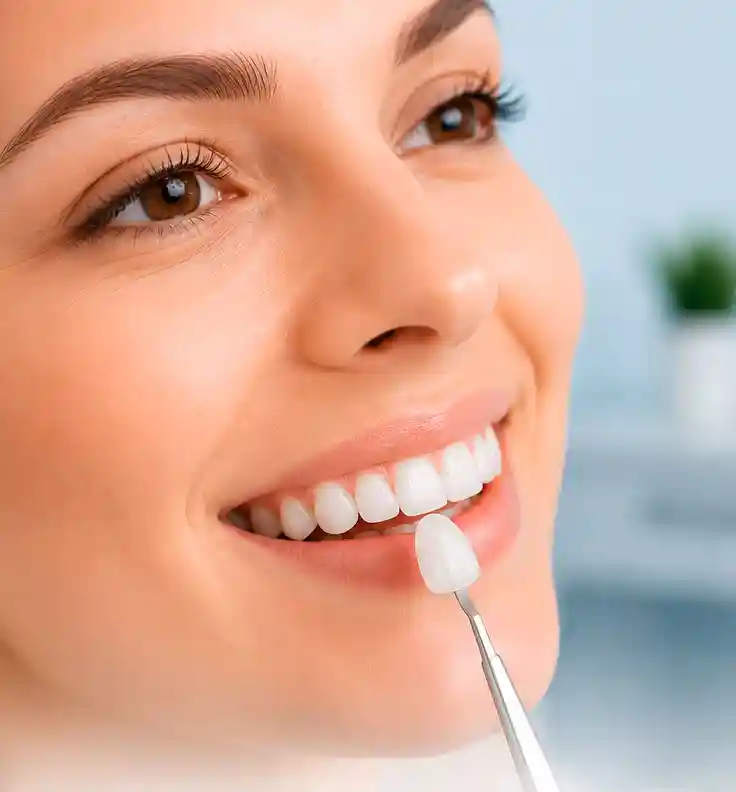
What are dental veneers and what can they correct?
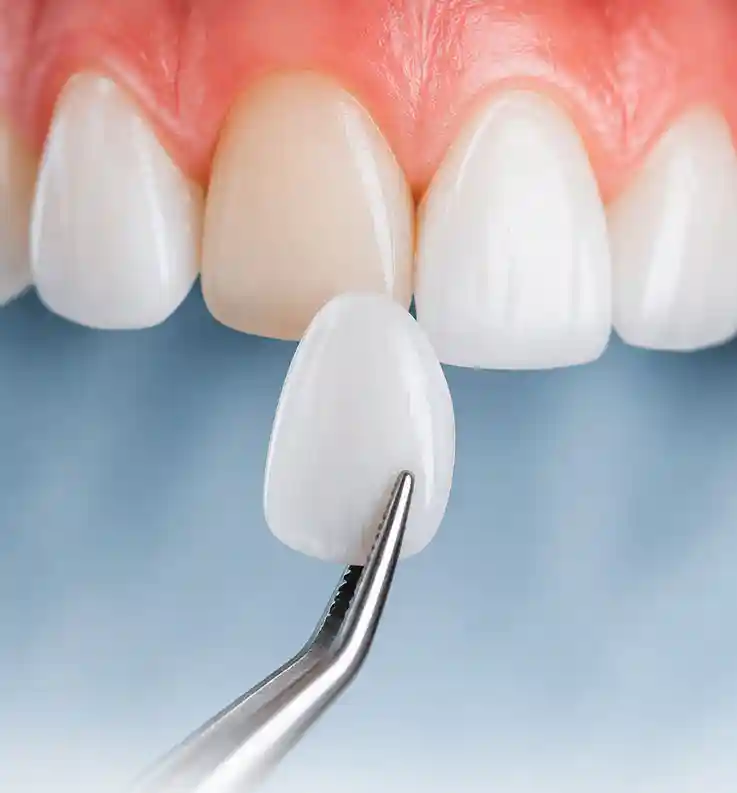
Imagine you could change the colour, shape or size of a tooth without practically touching it. That, in essence, is what a veneer does: an ultra-thin sheet that bonds to the surface of the tooth and transforms its appearance very effectively and with minimal impact on the natural tooth.
Veneers can be porcelain —the most durable and the best at imitating the look of a natural tooth— or composite —applied directly in the clinic and more affordable, though less durable. The choice depends on the case, the budget and the patient's expectations.
What can a veneer correct?
- Stained teeth or with deep discolouration that doesn't respond to teeth whitening
- Broken, worn teeth or with small fractures
- Teeth with an irregular shape or disproportionate size
- Gaps between teeth (diastemas) you'd like to close
- Slightly crooked teeth when orthodontics isn't the chosen option
- Teeth with deteriorated or hypocalcified enamel
Porcelain or composite veneers — the differences that matter
This is one of the questions we get asked most. Here we explain the real differences so you can decide with the information:
Porcelain veneers
- Lifespan: 15-20 years with good maintenance
- Look: the most natural — translucency similar to enamel
- Stain resistance: very high
- Process: two visits (measurements + placement) with minimal tooth preparation
- Price: higher than composite
Composite veneers
- Lifespan: approximately 5-8 years
- Look: very good, though slightly less translucent than porcelain
- Stain resistance: lower — coffee, wine and tobacco affect them more
- Process: in a single visit, with no tooth preparation
- Price: more affordable
What is the process for getting veneers?
Consultation and planning
We assess the state of your teeth, listen to what you want to improve and explain what's possible and what isn't. In some cases we do a digital simulation so you can see the approximate result before starting. The quote, in writing, before making any decision.
Tooth preparation (porcelain only)
For porcelain veneers, a very thin layer of enamel needs to be reduced —usually less than a millimetre— so the veneer sits level with the rest. With composite the tooth isn't touched. In both cases the measurements are taken or the direct application is done.
Manufacturing in the laboratory (porcelain only)
Porcelain veneers are made in the dental laboratory based on the measurements taken. In the meantime, if necessary, we fit temporary veneers. This process usually takes between one and two weeks.
Placement and final adjustment
We try the veneers, check the colour, shape and bite, and bond them definitively. This is the visit where you see the result for the first time. We make the necessary adjustments until everything is perfect.
Frequently asked questions about dental veneers in Barcelona
Does getting veneers hurt?
In the case of porcelain veneers, the tooth preparation is done with local anaesthesia, so you don't feel pain during the procedure. With composite ones there's no intervention, so no pain either. After placement there may be some sensitivity for a few days, which goes away on its own.
Are veneers reversible?
Composite ones, yes: they can be removed without a problem. Porcelain ones, not completely: as they require minimal tooth preparation, that process isn't reversible. That's why it's important we explain it well before starting and that the decision is yours with all the information.
How long do veneers last?
Well-maintained porcelain ones last between 15 and 20 years. Composite ones, between 5 and 8 years. In both cases, the lifespan depends on habits: bruxism, biting hard objects or consuming staining substances (coffee, wine, tobacco) affect durability.
Do they show? Do they look natural?
When they're well planned and well made, no. The goal is always for them to match the shade, shape and proportions of the rest of your teeth. A veneer that draws attention is a poorly made veneer.
How much do dental veneers cost in Barcelona?
The price depends on the number of veneers, the material chosen and the complexity of the case. We give you the detailed quote at the first visit, in writing. No commitment until you decide. Contact us for an assessment.
Your smile is yours — we just help it come out
Veneers don't change who you are. They change how you feel when you smile. And that, for many people, changes more things than they expected.
If you're curious about what could be done with your smile, the first consultation is the best place to start. No commitment, no pressure, with all the information on the table.